
Mobile Home Land Requirements Matter Before Buying in Florida
Mobile home land requirements should be reviewed before any Florida purchase. The land affects financing, permits, setup, and long-term value. Florida buyers often focus on the home itself first. Yet the land plays an equally important role.
Next, some mobile homes sit on private land. Others are placed in mobile home parks with leased lots. Each option has different rules and costs.
Then, knowing the land requirements early helps buyers avoid delays and added expenses. This guide explains what Florida buyers should review before moving forward.
Check Whether the Land Is Owned or Leased
The first step is to confirm land ownership. This affects both cost and legal rights.
Next, privately owned land means you purchase both the home and the lot. This option often offers more flexibility.
Then, leased land means you own the home but rent the lot. This is common in many Florida mobile home communities.
After that, always request written documents that confirm ownership status and lot terms.
Key details to verify include:
- Private ownership or leased lot
- Monthly lot rent amount
- Lease length and renewal terms
- Community rules and restrictions
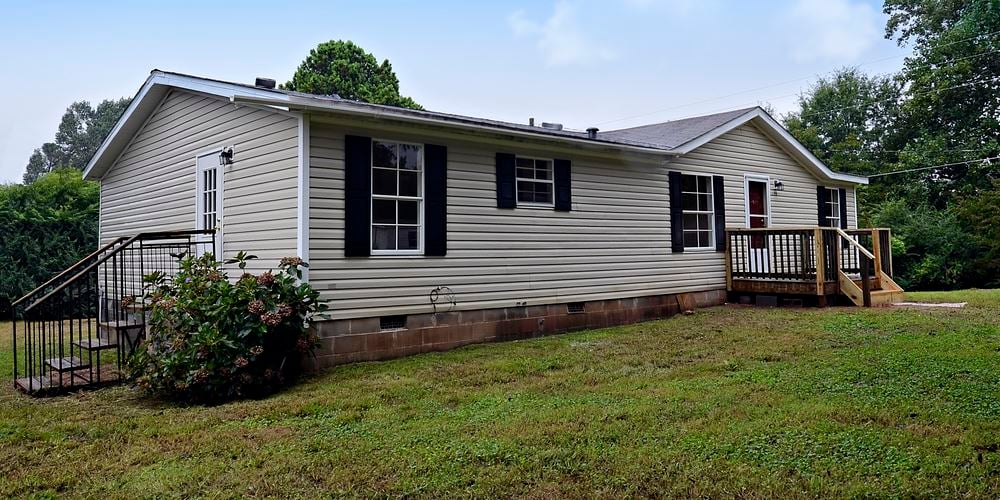
Mobile Home Land Requirements for Zoning and Local Rules
Zoning laws determine where a mobile home can be placed. Florida counties and cities may have different rules.
Next, buyers should check local zoning requirements before purchasing land. Some areas allow manufactured homes, while others may limit placement.
Then, setback rules often control how far the home must sit from roads, fences, or neighboring lots.
After that, confirm whether the land is approved for residential mobile home use.
Minimum Lot Size and Space Requirements
Lot size is another major part of mobile home land requirements. The land must fit the home safely and legally.
Next, buyers should check the dimensions of the home before purchasing a lot.
Then, allow extra space for steps, parking, skirting, and outdoor access.
After that, local codes may require minimum square footage for placement.
Common space areas to review:
- Home width and length
- Parking area
- Distance from property lines
- Utility access space
Utility Connections and Site Preparation
The land must support utility access before installation. This includes water, sewer, and electricity.
Next, buyers should confirm whether utilities already exist on the property.
Then, undeveloped land may require added installation costs. This can increase the total budget quickly.
After that, site preparation may include grading and foundation work.
Mobile Home Land Requirements for Foundations
Florida often requires approved foundation systems for mobile homes. This affects financing and safety.
Next, many lenders require the home to be permanently attached to the land.
Then, tie-downs and anchors help meet state wind and storm standards.
After that, always verify local installation requirements before setup.
Drainage and Flood Zone Review
Florida buyers should always check flood zone status before buying land. This step affects insurance and safety.
Next, land in flood-prone areas may need elevated installation.
Then, poor drainage can lead to standing water under the home. This creates long-term damage risks.
After that, review the site after rainfall if possible.
Important site checks include:
- Flood zone status
- Drainage slope
- Standing water signs
- Soil condition
Access Roads and Entry Requirements
The lot should have proper access for delivery and setup. Large mobile homes need clear entry space.
Next, check road width and clearance before purchase.
Then, make sure delivery trucks can safely reach the site.
After that, verify any community access restrictions or delivery rules.
Land Costs Beyond the Purchase Price
Land expenses go beyond the sale price. Buyers should plan for setup and long-term costs.
Next, include site work, utility setup, and permit fees in the budget.
Then, buyers on leased land should include the monthly lot rent.
After that, taxes and insurance may vary by location.
Common Buyer Mistakes to Avoid
Some buyers purchase land before checking zoning rules. This often leads to placement problems.
Next, avoid skipping flood zone checks in Florida.
Then, do not ignore utility access costs. These can be higher than expected.
After that, review all land documents before closing.
Frequently Asked Questions About Mobile Home Land Requirements
What Are Mobile Home Land Requirements?
They include zoning, lot size, utilities, and foundation rules.
Can I Place a Mobile Home on Any Land?
No, the land must meet local zoning and setup requirements.
Do I Need a Permanent Foundation?
Many lenders and local codes require one.
What Utilities Must the Land Have?
Water, sewer, and electricity access are usually needed.
Should I Check Flood Zones in Florida?
Yes, flood zones affect insurance and installation rules.
What If the Land Is Leased?
You own the home but pay monthly lot rent.
Do Lot Size Rules Vary by County?
Yes, local zoning laws often differ by area.
Can Drainage Affect the Home?
Yes, poor drainage can damage floors and supports.
Should I Review Access Roads?
Yes, delivery and setup require proper road access.
Is a Dealer Helpful With Land Checks?
Yes, dealers often help verify setup requirements.
Final Thoughts Before Buying Land in Florida
Mobile home land requirements are just as important as the home itself. Florida buyers should review zoning, flood risks, utility access, and lot size before purchasing. Proper planning helps prevent delays and protects your long-term investment.