
Many buyers looking for a pre-built housing option find themselves stuck between choosing a mobile home or a manufactured home. At first glance, these homes can seem very similar, which naturally leads to confusion. However, there are important differences that affect financing, placement, regulations, and availability, especially along the Gulf Coast of Florida.
If you are considering either option, understanding how these homes are built, regulated, and commonly used in Florida will help you decide which one fits your situation best.
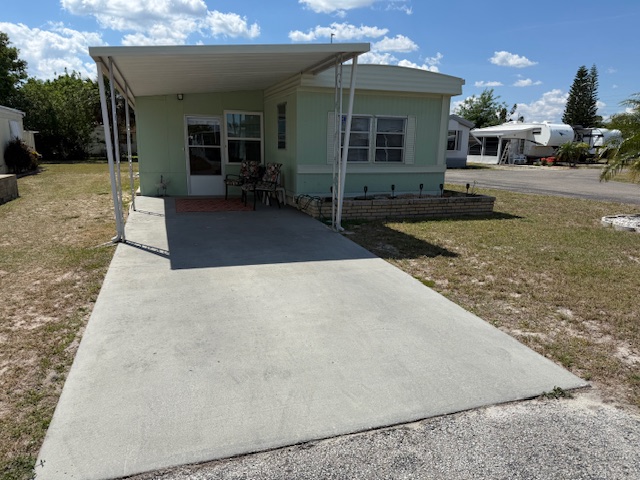
How Mobile Homes and Manufactured Homes Are Built
Both mobile homes and manufactured homes are constructed in factories rather than being built piece by piece on a homesite. This factory-based construction allows for better control over materials, faster build times, and lower overall costs compared to traditional site-built homes.
Mobile homes are fully assembled in a factory and then transported to their final location. Once installed, they are typically not moved again, although relocation is possible under certain conditions. In Florida, a mobile home must generally be 20 years old or newer to qualify for a moving permit.
Manufactured homes are also built in factories but are constructed to different regulatory standards. They are designed to meet federal construction requirements and are typically placed on permanent foundations when installed.
How Modular Homes Fit Into the Conversation
Some buyers confuse manufactured homes with modular homes, even though they are not the same. Modular homes are factory-built as well, but they are governed by state or local building codes rather than federal housing standards.
Modular homes may be built on a permanent chassis or a temporary one. Homes built on a permanent chassis are often referred to as on-frame, while those built on a temporary chassis are called off-frame. This distinction affects how the home is assembled and secured at the final site.
Unlike mobile homes, modular homes are treated much like traditional houses once installed and are not permitted inside mobile home parks.
Safety and Structural Standards
One of the most common concerns buyers have is safety. Because these homes are built offsite, some assume they are less durable or less secure than site-built homes. In reality, these concerns are largely unfounded.
Mobile homes are required to be installed with hurricane tie-downs. These metal anchoring systems secure the home at multiple points and are designed to help it withstand severe weather. Modular and manufactured homes are also inspected after installation to confirm they meet safety standards.
There is no meaningful difference in safety between homes built in factories and those built onsite when they are properly installed and maintained.
Affordability and Construction Efficiency
Both mobile homes and manufactured homes are significantly more affordable than site-built houses. Factory construction reduces labor costs, minimizes material waste, and shortens build timelines.
Because these homes are built indoors, construction delays caused by weather are minimized. This controlled environment also reduces unexpected expenses that often arise during traditional home construction.
For buyers focused on cost efficiency, these advantages make factory-built housing especially attractive.
Land Ownership and Financing Differences
One of the biggest differences between mobile homes and manufactured or modular homes involves land ownership and financing.
Manufactured and modular homes are typically placed on land owned by the homeowner. Because of this, they may qualify for traditional mortgage financing and are treated more like conventional real estate.
Mobile homes, on the other hand, are most often located on leased land within mobile home parks. The homeowner owns the structure but rents the land through monthly lot rent. As a result, mobile homes are usually titled as personal property rather than deeded as real estate.
Why Mobile Homes Are More Common on the Gulf Coast
Throughout the Gulf Coast of Florida, mobile homes are far more common than modular homes. This trend is largely due to the history of mobile home parks in the region.
Many parks were developed decades ago and were designed exclusively for mobile homes. Modular homes were never included in the original site plans, and current zoning rules typically prevent them from being added later.
Over time, ownership of these mobile homes has changed, and many have been renovated or modernized. While the homes may look very different today, they remain mobile homes under Florida regulations.
Choosing the Right Option for Your Situation
Both mobile homes and manufactured homes offer affordable housing options with lower maintenance costs compared to traditional houses. The right choice depends on your personal circumstances.
If you own land and want a factory-built home that functions like a conventional house, a manufactured or modular home may be the better fit. However, if you do not own land and prefer community living with shared amenities, a mobile home located in a park may be the more practical option.
Understanding these differences ahead of time helps buyers avoid surprises later.
Frequently Asked Questions
Are mobile homes and manufactured homes the same?
No, they follow different regulations and ownership structures.
Are modular homes allowed in mobile home parks?
No, modular homes are not permitted in parks.
Can mobile homes be moved?
Yes, but usually only if they are 20 years old or newer.
Do mobile homes require land ownership?
No, they are typically placed on leased land.
Are manufactured homes safer than mobile homes?
Both are safe when properly installed.
Do modular homes qualify for mortgages?
Yes, in most cases.
Why are mobile homes more common in Florida parks?
Most parks were designed exclusively for mobile homes.
Are factory-built homes cheaper than site-built homes?
Yes, due to controlled construction costs.
Do mobile homes require hurricane tie-downs?
Yes, tie-downs are required for safety.
Which option has lower maintenance costs?
Both typically cost less to maintain than site-built homes.
Bottom Line
Mobile homes and manufactured homes share similarities, but they serve different needs. Along the Gulf Coast of Florida, mobile homes remain the most common option due to park design, land availability, and affordability.
Choosing between them depends on whether you own land, how you plan to finance the purchase, and where you want to live. With a clear understanding of the differences, buyers can make informed decisions that align with their long-term housing goals.