
Can Mobile Homes Be Used as Investment Properties?
When people think about real estate investing, the conversation almost always circles back to single-family homes or apartment buildings. Television shows, online articles, and social media content rarely highlight any other option. As a result, many investors overlook mobile homes entirely, even though they can serve as effective and practical investment properties when approached correctly.
Mobile homes, particularly those located on leased land in Florida, operate under a different financial and regulatory structure than traditional real estate. Because of this, they often appeal to investors who want lower entry costs, reduced risk, and steady demand without competing in expensive housing markets.
Why Mobile Homes Are Rarely Discussed as Investments
Most media coverage focuses on properties that involve large mortgages, dramatic renovations, and high resale prices. Mobile homes do not fit that narrative, even though they solve a very real problem: the need for affordable housing.
In Florida, and especially along the Gulf Coast, demand for affordable rentals continues to rise. Apartment waitlists grow longer, rents increase, and many buyers are priced out of traditional homes altogether. Mobile homes fill that gap in a way few other housing options can.
Despite this, mobile homes rarely appear in investment discussions, which leaves many potential investors unaware of the opportunity.
Understanding Mobile Homes on Leased Land
Before looking at mobile homes as investments, it is important to understand how they are classified. In Florida, mobile homes on leased land are treated as personal property, not real estate. Ownership is transferred by title rather than deed, and property taxes do not apply.
Most mobile homes throughout the Gulf Coast region were built before 1976. Because of their age, these homes often do not qualify for traditional mortgages. As a result, many purchases are made in cash, which reduces financing risk and monthly debt obligations.
Lot rent becomes the primary ongoing expense. This monthly cost usually covers the land lease and may include water, sewer, trash, and lawn care. Many parks also allow seasonal or annual rentals, making mobile homes viable rental properties.
Why Demand for Mobile Home Rentals Is Strong
Affordable housing shortages continue to affect Florida markets. At the same time, purchasing a single-family home as an investment has become increasingly expensive. Competition among investors drives prices higher, while interest rates and insurance costs add further pressure.
Mobile homes avoid many of these challenges. Because they are less expensive to acquire and often purchased without debt, they lower the investor’s financial exposure. In addition, many mobile home parks offer amenities such as parking, community spaces, and quiet neighborhoods that appeal to renters.
For tenants, mobile homes provide privacy, space, and affordability that apartments often cannot match. For investors, this creates consistent rental demand.
Mobile Homes as Low-Debt Investment Properties
One of the biggest advantages of mobile home investing is the ability to operate with little or no debt. Many investors purchase mobile homes outright, eliminating mortgage payments altogether.
Without a mortgage, cash flow becomes easier to manage. Rental income can be used to cover lot rent, maintenance, and reserves while still producing a return. This structure is especially appealing to investors who want predictable expenses and fewer financial variables.
Lower purchase prices also make it easier to diversify. Instead of putting all capital into one expensive property, investors can spread risk across multiple mobile homes.
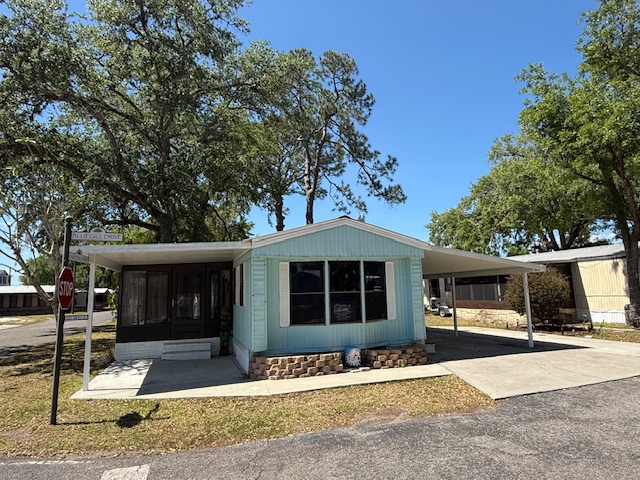
Fix-and-Flip Opportunities with Mobile Homes
Mobile homes also lend themselves well to fix-and-flip strategies. Entry costs are relatively low, and repairs are often simpler and more affordable than those required for traditional homes.
For example, an investor might purchase a mobile home for $10,000, invest $5,000 in repairs, and resell it for $25,000. While results vary, this type of transaction can produce meaningful returns without tying up large amounts of capital.
Because mobile homes are not taxed as real estate in Florida, ongoing holding costs during renovations remain relatively low.
Appreciation and Long-Term Value
There is a common misconception that mobile homes never appreciate. While they do not behave exactly like site-built homes, well-maintained mobile homes in desirable parks can increase in value over time.
Location, park management, and overall condition all play a role. If purchased carefully, a mobile home can provide rental income while also preserving or gradually increasing its resale value.
That said, mobile home investing still requires due diligence. Park rules, lot rent increases, and resale restrictions should always be reviewed before purchasing.
Risks and Considerations for Investors
Like any investment, mobile homes carry risks. Investors who do not understand park rules, tenant screening, or maintenance responsibilities may encounter challenges.
Lot rent increases can affect cash flow, and not all parks allow rentals. Additionally, older homes may require more frequent repairs if not properly inspected before purchase.
However, when investors take the time to learn the market and work with experienced professionals, these risks can be managed effectively.
Frequently Asked Questions
Can mobile homes be rented out legally?
Yes, many parks allow seasonal or annual rentals, but rules vary.
Are mobile homes good for first-time investors?
They can be, due to lower purchase prices and reduced risk.
Do mobile homes require mortgages?
No, many are purchased in cash.
Is demand for mobile home rentals strong?
Yes, especially in affordable housing markets.
Can mobile homes be flipped?
Yes, fix-and-flip strategies often work well.
Do mobile homes pay property taxes?
No, when located on leased land in Florida.
What ongoing costs should investors expect?
Lot rent, maintenance, insurance, and registration.
Do mobile homes appreciate in value?
They can, depending on location and condition.
Are mobile homes easier to manage than houses?
Often yes, due to smaller size and simpler systems.
Is mobile home investing risky?
It can be if done without proper knowledge, but risks are manageable.
Bottom Line
Mobile homes can absolutely be used as investment properties, especially for those seeking affordability, lower risk, and steady demand. While they may not receive the same attention as traditional real estate, mobile homes solve real housing needs and offer practical investment opportunities.
With lower entry costs, minimal debt, and strong rental demand, mobile homes on leased land provide a viable alternative for investors who want to avoid bidding wars and high-priced properties. When purchased thoughtfully and managed responsibly, they can play a valuable role in a long-term investment strategy.